Water In Your Home? Get Help Now.
Get connected with a local restoration provider for water extraction, structural drying, and documentation support before the damage spreads.
- Emergency routing to available local restoration providers
- Insurance documentation help for photos, moisture readings, and scope notes
- Water extraction and drying for wet floors, walls, and ceilings

Why Homeowners Call
A Clear Next Step When Water Spreads
When water reaches floors, walls, or ceilings, the first job is simple: get connected with an available provider who can start extraction, drying, and documentation.
Emergency Provider Routing
Your call is routed toward available restoration providers in your area so you can get a real next step quickly.
Insurance Documentation Help
Restoration providers can document the damage with photos, moisture readings, drying logs, and itemized scope details for your claim.
Clear Damage Assessment
The provider can inspect the affected areas, explain what is wet, and walk through the proposed extraction and drying plan before work begins.
Extraction, Drying, Next Steps
From standing water to hidden moisture, the goal is to stop the spread, dry the structure, and identify what repair steps may be needed.
Common Signs
Signs You Need Professional Help
Water travels fast through walls, floors, and trim. A quick assessment helps identify what is wet before secondary damage spreads.
Water Damage Help
Start With The Urgent Water Problem
Start with the urgent problem: standing water, soaked floors, wet walls, or a leak that needs extraction and drying help.
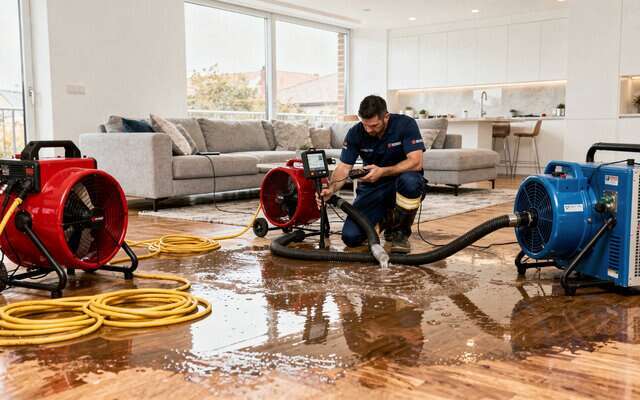
Water Damage Restoration
Help for wet floors, walls, ceilings, and hidden moisture
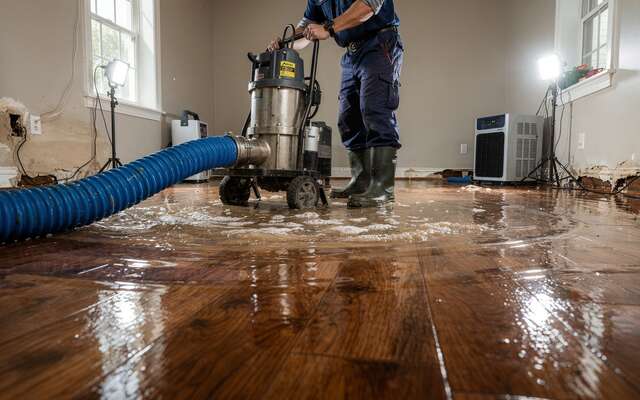
Water Extraction
Provider routing for standing water and emergency extraction
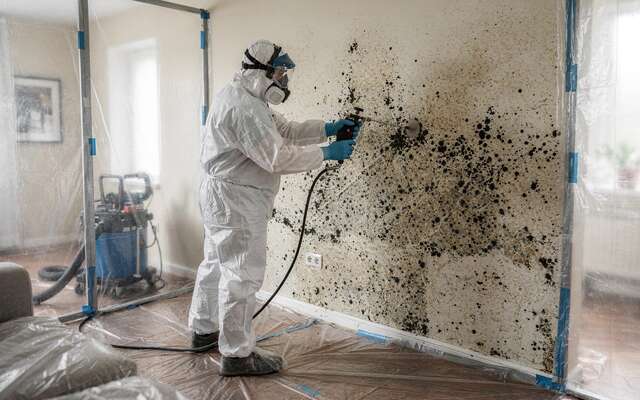
Mold Remediation
Assessment support when moisture may create mold risk
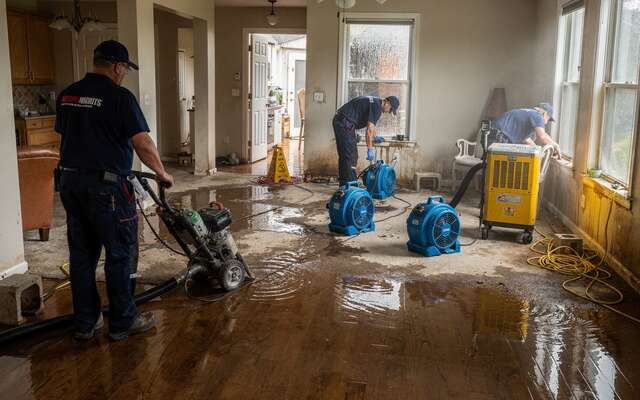
Flood Cleanup
Cleanup help for storm water and flooded rooms
Flooded Basement
Routing for basement water removal and drying help
Burst Pipe Cleanup
Help when a pipe leak has soaked floors or walls
How It Works
Three Steps to Water Damage Help
The first call should reduce confusion: what happened, where the water went, and what needs to happen next.

You Call, We Route You
A real call path collects the basic details: what caused the water, what rooms are affected, and whether standing water is still present.
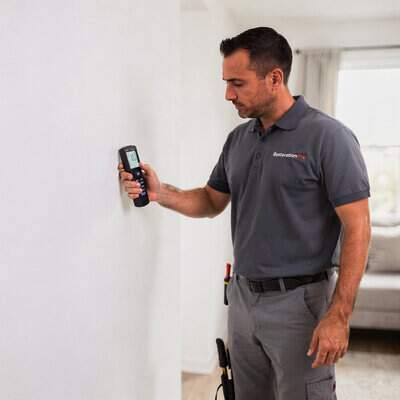
They Assess the Damage
The provider can inspect affected materials, look for hidden moisture, and explain the extraction, drying, and documentation plan.

Drying Starts Quickly
The goal is to remove water, start drying, document the loss, and outline any follow-up repairs your home may need.
Insurance
Documentation Helps With Insurance Claims
Water damage claims often require photos, moisture readings, drying logs, and a clear scope of work. Ask the provider what documentation they can prepare.







Coverage and billing depend on your policy, carrier, loss type, and provider. Documentation from a restoration provider can help you have a clearer conversation with your adjuster.
Understanding Water Damage
What Every Homeowner Should Know
The First 24 Hours Are Critical
When water enters your home, the damage starts immediately. Within minutes, it spreads across floors and wicks into walls, baseboards, and subfloor materials. Drywall, carpet padding, and hardwood begin absorbing moisture right away.
Within 24 to 48 hours, mold spores begin colonizing damp surfaces. Once mold takes hold, remediation becomes a separate and costly process. The faster water is extracted and drying begins, the less total damage occurs.
How Professional Restoration Works
Professional restoration often follows the IICRC's structured process. It starts with an inspection using moisture meters and thermal imaging to find water hidden behind walls and under floors — damage that isn't visible to the eye.
Next, standing water is extracted and drying equipment may be placed to reduce moisture in floors, walls, and structural materials. Timing and repair scope vary by property, provider, and severity, but the early goal is clear: stop the spread and document what needs to happen next.
Don't wait for water to keep spreading. A quick call can help you understand the next step.
Call Now — Water Damage HelpWater Damage and Your Insurance
Water damage is the single most common property damage claim in the United States. Most homeowners policies cover sudden and accidental damage — a burst pipe, a failed water heater, a broken appliance line. Gradual leaks and external flooding typically require separate coverage.
When filing a claim, documentation matters. Adjusters may ask for moisture readings, photographic evidence, an itemized scope of work, and professional drying logs. Ask the provider what documentation they can prepare.
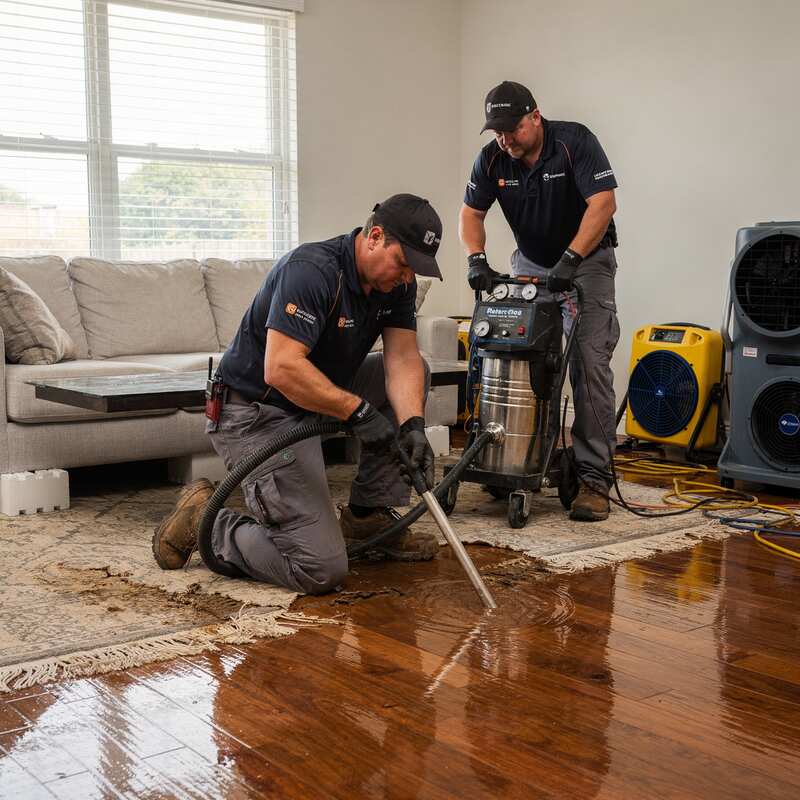
When to Call a Professional
A small spill on tile wiped up in minutes usually is not the issue. But if water has been sitting for more than an hour, has reached carpet, drywall, or hardwood, or may involve contaminated water, it is worth speaking with a restoration provider.
The most common mistake is underestimating how far water has traveled. A leak on the second floor causes damage in first-floor walls and ceilings. What looks like a small wet spot often conceals much larger moisture pockets behind the wall. Professional moisture detection is the only reliable way to map the true extent of the damage.
Frequently Asked Questions
Questions Homeowners Always Ask
Water Damage Won't Wait. Neither Should You.
Water can move behind walls, under floors, and into trim faster than it looks. Call now to get routed toward local restoration help.